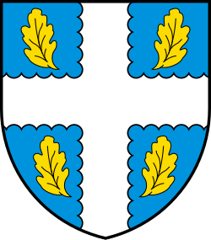
Thônex
Origin of the name Thônex
The name first appears in 1225, in the form « Tonnay ». Where does the name come from? That is still unknown.[1]
Founding of Thônex
Nobody knows who founded the village. Yet the area was settled very early, as Neolithic remains, a late Iron Age burial and an aqueduct from the 1st century AD show. By the 10th century Thônex already had its church of Saint-Pierre. In the second half of the 14th century the village became Savoyard, as part of the mandement of Gaillard. Since the Second World War it has been a residential suburb of Genève.[1]
History of Thônex
1st century. An aqueduct is built in the area, where Neolithic remains and a late Iron Age burial have also been found.[1]
10th century. Construction of the church dedicated to Saint Peter.[1]
1225. First mention of the name, in the form « Tonnay ».[1]
14th century. From the second half of the century, Thônex belongs to the Savoyard mandement of Gaillard.[1]
1412. First mention of the chapel of Saint-Nicolas, whose foundations have not been found.[1]
1536. Bernese occupation; the Reformation is imposed.[1]
1567. The region returns to Savoy and to Catholicism.[1]
1615-1792. The count of Rossillon is seigneur with rights of justice over Thônex.[1]
1707. The church of Saint-Pierre, enlarged several times, is rebuilt.[1]
18th century. The inhabitants of Thônex, Villette and Fossard form the community known as the « trois-villages ». Heavy transit traffic makes Moillesulaz grow.[1]
1792. The French annexation creates the municipality of Chêne-Thônex.[1]
1816. After the Treaty of Turin the municipality is attached to Genève, except for the lands on the left bank of the Foron.[1]
1869. During the Kulturkampf the municipality of Chêne-Thônex is split into two entities, Chêne-Bourg and Thônex.[1]
1900. Opening of the Bel-Air psychiatric institution, today part of the Hôpitaux universitaires de Genève (Belle-Idée site).[1]
After 1945. Since the Second World War, Thônex has become a residential suburb of Genève.[1]
Population of Thônex
Sources and references: [1][2]
| 1443 | 180 (present-day territory) |
| 1550 | 80 |
| 1698 | 110 |
| 1768 | 230 |
| 1801 | 700 |
| 1870 | 532 |
| 1900 | 1'051 |
| 1950 | 1'953 |
| 2000 | 12'141 |
| 2010 | 13'315 |
| 2020 | 14'064 |
| 2025 | 17'060 |
Historic sites in Thônex
Church of Saint-Pierre. Church built in the 10th century, enlarged several times and rebuilt in 1707.[1]
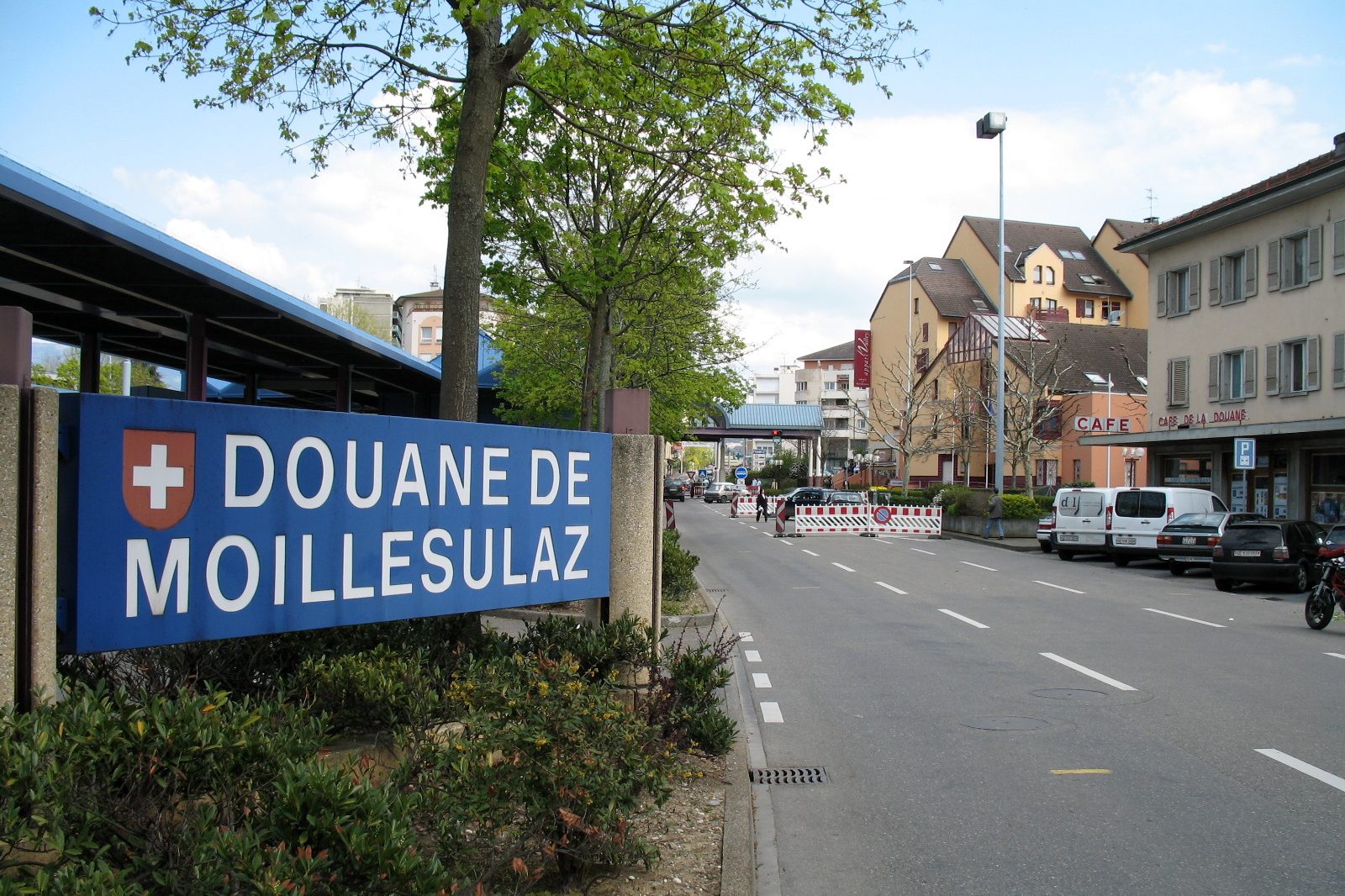
Moillesulaz. Locality of the municipality, on the border, which grew into a street village thanks to heavy transit traffic from the 18th century.[1]
Belle-Idée. Former Bel-Air psychiatric institution, opened in 1900, today the Belle-Idée site of the Hôpitaux universitaires de Genève, in Thônex and Chêne-Bourg.[1]
Villette and Fossard. Localities of the municipality which, with Thônex, formed the community of the « trois-villages » in the 18th century.[1]
Remains in Thônex
Prehistoric remains. Neolithic remains and a late Iron Age burial.[1]
Roman aqueduct. Aqueduct from the 1st century AD.[1]
Chapel of Saint-Nicolas. Chapel first mentioned in 1412. Its foundations have not been found.[1]
Sources
- Dictionnaire historique de la Suisse, « Thônex » (Dominique Zumkeller)
- Office cantonal de la statistique (OCSTAT), Mémento statistique du canton de Genève 2026, tableau Population résidante par commune, en 2025
Localities of the municipality with a page
Other villages near Thônex
Missing information, or do you have a source? Suggest a correction or addition. Every submission is checked before it's published.
Suggest a change