Muriaux
Origin of the name Muriaux
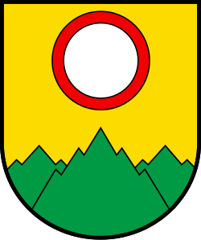
The village is first mentioned in 1301 as « Murival ». The castle is also called « Murival », « Murval » or « Mervaux ». The old German name is « Spiegelberg », a name taken by the local noble family. The municipal coat of arms, adopted on 2 February 1746, takes up this family's mirror. The origin of the name « Muriaux » has not yet been explained.[1][2]
Founding of Muriaux
At the beginning of the 14th century the lords of Muriaux, also called of Spiegelberg, settled in a castle built by Conon de Pleujouse on the Sommêtres ridge, south-west of the village. This castle was the seat of the castellan of the region. After the charter of franchise granted on 17 November 1384 by the Bishop of Basel Imier de Ramstein, the name of Muriaux spread to the high plateau, called « Franche Montagne de Muriaux ». From the 14th century to 1792 Muriaux was part of the lordship of the Franches-Montagnes, in the Bishopric of Basel. It is not known who founded the village or when. The municipality, with scattered settlement, comprises the hamlets of Les Emibois, Les Chenevières and Le Roselet, the exclave of Le Cerneux-Veusil and, since the merger of 1 January 2009, Le Peuchapatte.[1][2]
History of Muriaux
Roman period. The historian Auguste Quiquerez discovers Roman coins near the Rochette spring, next to remains that may be those of a thermal station.[2]
1301. First mention: « Murival ».[1]
Early 14th century. The lords of Muriaux, or of Spiegelberg, settle in the castle built by Conon de Pleujouse on the Sommêtres ridge.[1]
1384. Charter of franchise of the Bishop of Basel Imier de Ramstein (17 November). The high plateau becomes the « Franche Montagne de Muriaux ».[2]
14th century-1792. Muriaux belongs to the lordship of the Franches-Montagnes, in the Bishopric of Basel. In religious matters the village depends on Saignelégier, Le Roselet and Le Cerneux-Veusil on Les Breuleux.[1]
1618-1648. Thirty Years' War: the castle is destroyed; according to local tradition, the inhabitants take refuge in the Creuses cave when the Swedish armies pass through.[1][2]
1746. The municipal assembly adopts the coat of arms with the mirror (2 February).[2]
1792-1813. Muriaux is part of the French department of Mont-Terrible, then of Haut-Rhin.[1]
1815-1978. The municipality belongs to the canton of Bern, first to the bailiwick, then to the district of Franches-Montagnes.[1]
Around 1850. The last miller of the Rochette mill, Joseph Bilat, ceases work.[2]
1864. Regulations of the mixed municipality.[1]
1920. The Rochette spring is tapped to supply Les Breuleux and Muriaux.[2]
1958. A foundation for the horse is set up at Le Roselet.[1]
1979. Muriaux becomes part of the new canton of Jura.
1988. A car museum opens in Muriaux (closed in September 2008).[1][3]
2005. Farming and livestock provide 58 % of jobs.[1]
2009. Merger with Le Peuchapatte (1 January).[1]
Population of Muriaux
Sources and references: [1]
| 1818 | 745 |
| 1850 | 801 |
| 1900 | 908 |
| 1950 | 530 |
| 1970 | 392 |
| 2000 | 430 |
| 2008 | 458 |
| 2009 | 495 |
| 2010 | 486 |
| 2025 | 513 |
Historic sites in Muriaux
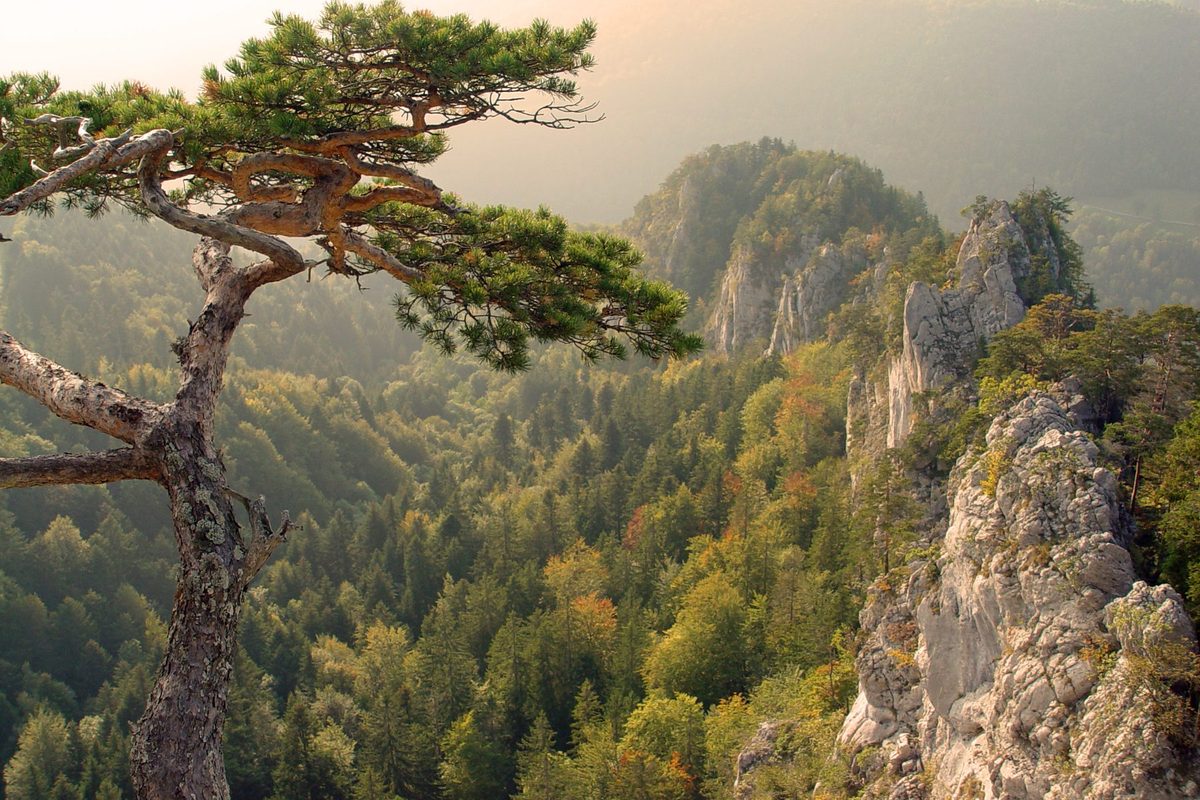
Sommêtres ridge. Rocky ridge south-west of the village, where the castle of the lords of Muriaux or Spiegelberg stood. A natural landmark of the municipality.[1][2][3]
Rochette spring. Spring that drove a mill until around 1850, tapped in 1920 for Les Breuleux and Muriaux and abandoned some fifty years later. It now flows near the Restaurant du Theusseret before reaching the Doubs.[2]
Le Roselet and the Foundation for the horse. Hamlet of the municipality where a foundation for the horse was set up in 1958. It still takes in horses there.[1][3]
Les Emibois, Les Chenevières and Le Cerneux-Veusil. Hamlets of the municipality; Le Cerneux-Veusil forms an exclave between Saint-Imier and Les Breuleux and, like Le Roselet, belongs to the parish of Les Breuleux.[1]
Remains in Muriaux
Castle of Muriaux (Spiegelberg). Castle built by Conon de Pleujouse on the Sommêtres rocks, seat of the lords of Muriaux in the 14th century and of the castellan of the region, nicknamed according to tradition « Château des Sots Maîtres ». Destroyed during the Thirty Years' War, only modest traces remain: cellars or prisons cut into the rock and the line of the access path.[1][2]
Roman coins of La Rochette. Roman coins found by Auguste Quiquerez near the Rochette spring, next to remains said to be those of a thermal station, an uncertain interpretation.[2]
Legends of Muriaux
The goblins of the Creuses cave. According to tradition, kind-hearted goblins lived in the Creuses cave, near the Combe de la Rochette, and helped the farmers. Two curious women scattered ashes in front of the cave and discovered webbed footprints. Offended by this mockery, the spirits left the region.[2]
The miraculous Rochette spring. Tradition credits the spring with the power to cure various illnesses and to rejuvenate: the Virgin is said to have made it gush forth to save a thirsty pilgrim. No document attests these virtues.[2]
The Trou des Voleurs. According to legend, thieves hiding in the Baumatte cave, near the Deute, on the boundary with Saignelégier, bored through the floor of the tithe granaries of the Châtellenie of Saignelégier to steal grain. Their hideout was named Trou des Voleurs.[2]
The cross of the Sommêtres. A cross carved into the rock near the castle is said, according to tradition, to mark the death of a person who fell into the nearby ravine.[2]
Sources
- Dictionnaire historique de la Suisse, « Muriaux » (François Kohler)
- Commune de Muriaux, « Histoire » (armoiries, Spiegelberg, source de la Rochette, légendes)
- Commune de Muriaux, « À visiter »
- Statistique Jura, tableau JU-T.01.01.03, population résidante permanente au 31 décembre 2025
- geo.admin.ch (swisstopo), recherche de lieux « Muriaux »
Localities of the municipality with a page
Other villages near Muriaux
Missing information, or do you have a source? Suggest a correction or addition. Every submission is checked before it's published.
Suggest a change